If you have been reading the news lately, you might have noticed that Edmonton’s infill conversation is once again front and centre as new proposed changes head to City Committee. This proposed change would reduce some fourplex developments with basement suites from a total of eight dwellings down to six, while also increasing the minimum size per unit. In a nutshell, limiting mid-block multi-unit dwelling projects. For some, this may feel like a step in the right direction. For others, it does not go far enough. As someone who works daily with Edmonton homeowners, buyers, and investors, I support infill as a necessary part of our city’s long term housing strategy. More housing choice matters. Density matters. Affordability matters!
What also matters is how and where infill is introduced.
Infill Should Fit the Neighbourhood, Not Override It
There is broad agreement that Edmonton needs to grow inward, not just outward. Infill helps make better use of existing infrastructure and can bring new life into mature neighbourhoods. When done well, it blends into the community and supports long term stability.
Where concerns arise is when infill approvals ignore context. Street width, traffic flow, parking availability, existing density, and access for emergency services should all be part of the decision making process. A wide avenue designed decades ago to handle higher volumes is very different from a narrow residential street that already feels maxed out.
A frequent lament that I hear from existing residents of mature neighbourhoods is that some infill builders do not even attempt to use any materials or designs that flow with the vibe of the surrounding area. Responsible infill looks at the full picture, not just what zoning technically allows. Considerations to the design and aesthetics of what is being built should also be a considering factor.
Density Concentration Deserves More Scrutiny
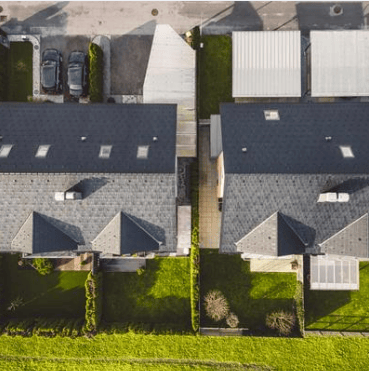
One of the most common concerns I hear from homeowners is not the idea of infill itself, but the pace and concentration of it. A single fourplex on a street may be accepted by most neighbours. Several fourplexes appearing close together, within a short time frame, is a very different experience.
When multiple large infill projects are approved on the same block, it can create frustration and resentment among long time residents. Over time, that can drive people to leave neighbourhoods they once loved. That kind of attrition should give the city pause. I personally know a Realtor who recently moved his family from a home and area they loved for more than 14 years for this very reason. This new proposal of increasing the minimum square footage of each dwelling has the potencial of reducing some of these frustrations.
Taking time to evaluate cumulative impact is not anti development. It is a way to protect neighbourhood trust while still allowing steady and responsible growth.
Financing Realities Are Changing
There is also a financial side to this conversation that often gets overlooked. While fourplexes are frequently discussed as a solution to housing supply, financing these projects, and later selling them has become more challenging.
Higher construction costs, tighter lending requirements, and more conservative appraisals are making some fourplex projects harder to finance. In certain cases, projected rents are not keeping up with build costs, which puts pressure on developers to either increase density further or cut costs elsewhere.
That pressure can affect design quality, long term durability, and overall fit within the neighbourhood.
A More Thoughtful Approach Benefits Everyone
Edmonton has an opportunity to refine its infill regulations in a way that supports growth without sacrificing livability. That could mean:
- Assessing street width and infrastructure capacity before approving higher density
- Considering existing neighbourhood density, not just zoning maps
- Limiting multiple large infill projects on the same street within short timeframes
- Maintaining strong design and build standards even as density increases
Supporting infill does not mean saying yes to everything. It means saying yes to projects that make sense for both a growing population and for the people who already live there.
Building a City People Want to Stay In
Most Edmonton homeowners are not opposed to change. They simply want reassurance that growth is being managed responsibly. When people feel unheard, trust erodes. When communities feel respected, growth becomes easier to support.
Edmonton can absolutely increase housing supply while still protecting the character and livability of its neighbourhoods. The best outcomes happen when planning decisions reflect real world conditions, not just policy goals.
Responsible infill is not about slowing Edmonton down. It is about building it better.